







Description
WHAT IS THIS PRODUCT?
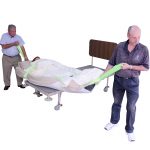
This product is designed to help evacuate people who cannot quickly evacuate a building in an emergency. It is stored under the mattress so it is ready for use when required. Common names for this type of product include Fire Rescue Sheet, Fire Blanket, Fire Sheet, Ski Sheet and Evacuation Sheet.
Before ordering, please view the full range of ResQ Products listed at the bottom of this page to ensure you select the most appropriate product for your needs. If you require assistance, please contact us.
Some important features of this product are:
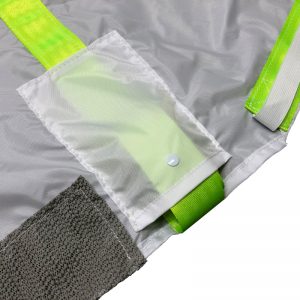 |
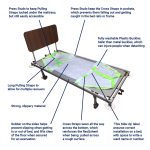
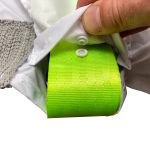
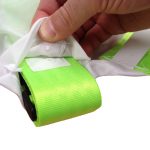
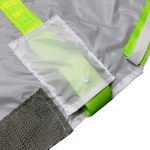
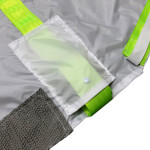
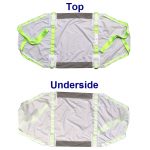
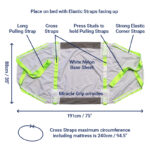
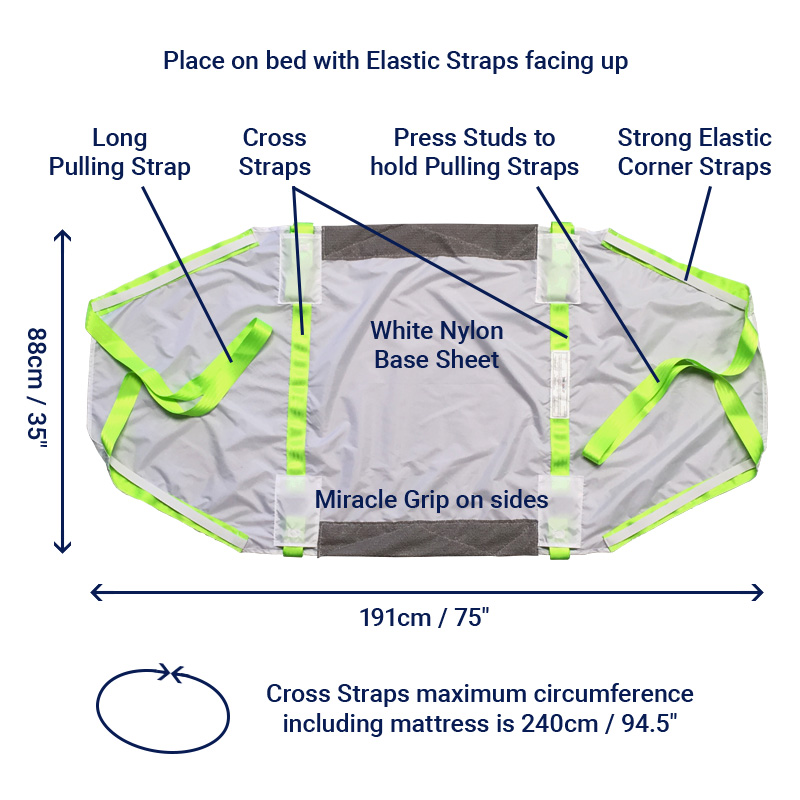
Press studs secure the cross straps in storage pockets, helping prevent tangling in the bed frame. Plastic press studs are used so they do not damage washing machines and will not rust. |
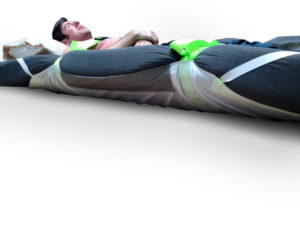 |
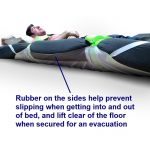
Rubber material sewn on each side helps prevent the mattress from slipping when someone gets into or out of bed. When in use, the mattress sides are lifted as the cross straps are tightened, so the rubber is not in contact with the bed frame or floor. |
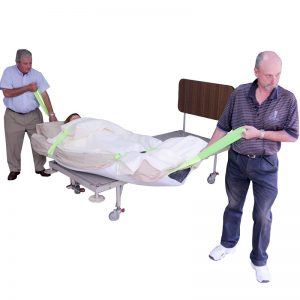 |
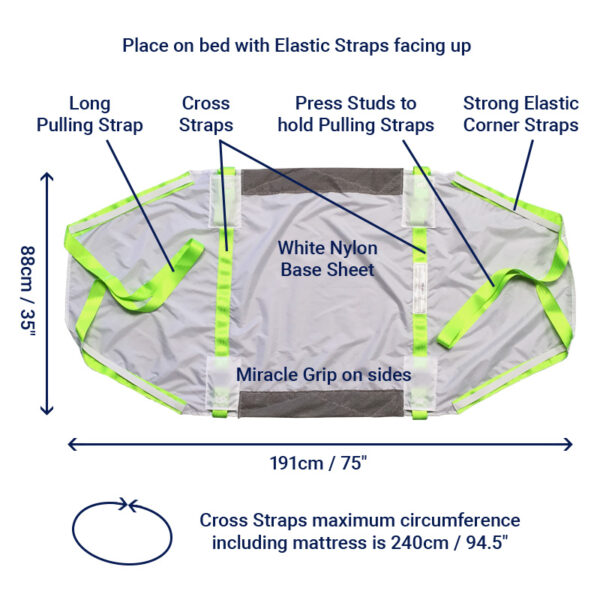
Long pulling straps at both ends allow rescuers to pull from either end without bending down. |
WHO IS THIS PRODUCT SUITABLE FOR?
This product is suitable for people who may not be able to walk quickly due to disability, frailty, medication, or sedation after an operation. It works well on most floor surfaces. For carpeted areas, consider the ResQsheet for Vinyl & Carpet or ResQsheet for Vinyl & Carpet – Deep & Airflow for airflow mattresses.
People can be slid down stairs during an evacuation.
BRIEF INSTRUCTIONS FOR USE
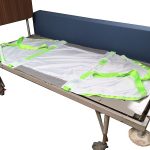
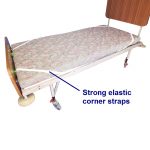
Fit the ResQsheet to the bed under the mattress. The elastic straps attach to the corners of the mattress.
In an emergency, remove the cross straps from their storage pockets and place and tighten them over the patient on top of the bedclothes. As the straps are tightened, the sides of the mattress should rise slightly, allowing the rubber strips to clear the bed frame. If required, place a pillow or blanket under the buckles for additional patient protection.
Remove the head and foot pulling straps from their storage pockets. Lower the bed. Slide the patient from the bed following manual handling training guidance. It is generally recommended to slide the person towards the foot of the bed slightly, then turn them 90 degrees, then lower them feet first to prepare for evacuation.
WHAT IS THIS PRODUCT MADE FROM?
Nylon, webbing, plastic buckles, elastic.
WARNINGS
Consider taking advice from a therapist to ensure this product is right for you.
Technical
STOCK KEEPING UNIT (SKU)
220
SIZE
190cm x 90cm / 75” x 35”
WEIGHT
1.1kg / 2.5lbs
GLOBAL MEDICAL DEVICE NUMBER (GMDN)
37163
GLOBAL TRADE ITEM NUMBER (GTIN)
9349145001192
Cleaning
CLEANING METHOD
Machine or hand wash.
MAXIMUM WASHING TEMPERATURE
80°C / 176°F.
DETERGENT
Use a mild detergent. Do not use fabric softener.
DRYING METHOD
Air dry in the shade. Alternatively, tumble dry on a cool temperature and make sure the drum is cool.
CLEANING WARNING
Only use and store the product when it is dry.
Important
Manual Handling Warning: Products designed to help with manual handling must be used correctly to avoid injury to the carer, patient or user. We recommend practising in a safe environment with an able-bodied colleague. Immediately cease any manual handling movement at the first sign of risk or discomfort. Use the most appropriate piece of equipment. Complete a suitable risk assessment before using, and seek assistance where necessary. It is important to remember that manual handling products are designed to assist, they are not designed to take the place of manual handling.
How to thread a buckle: It is vital that a buckle is threaded on the webbing strap correctly. Incorrect fitting could result in the product not performing as expected, and may put the users at risk of injury. Click here to see our video demonstrating how to thread a new buckle onto the webbing.
Plan your escape route: Practise before there is an emergency. Be mindful of any obstacles that may impede an evacuation, such as furniture, bed footboards or headboards, and narrow doorways.
How to slide off the bed frame: Although we recommend to slide off feet first, you may have certain environmental factors which means that is not possible. For example, the footboard may not detach form the bed. Take guidance from your Manual Handling Trainer to determine the safest way to use this product.
Video
Alternative & Related Products
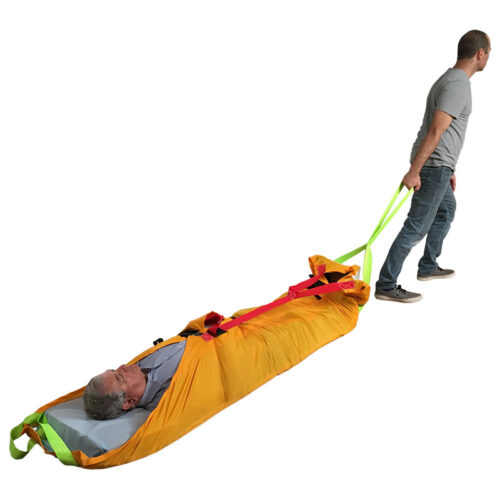

ResQmat
Evacuation mat - helps evacuate from building.
AUD $470.00 + 10% US Tariff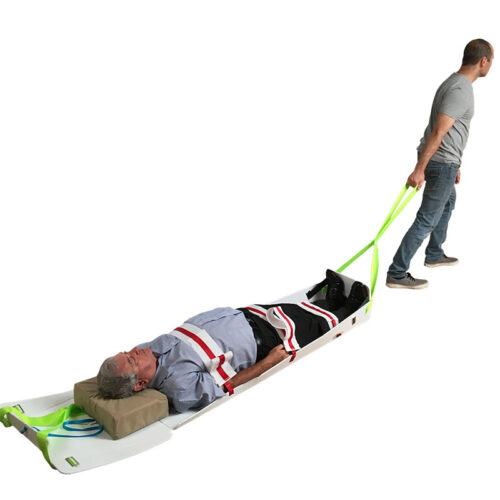

ResQme
Helps evacuate from a building, including going down stairs.
AUD $305.00 + 10% US Tariff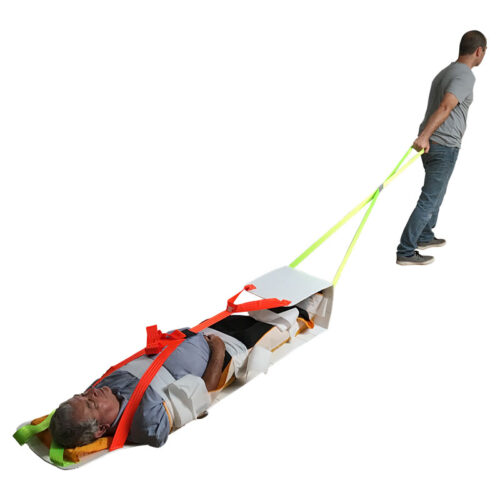

ResQpod
Evacuation mat - helps evacuate from building.
AUD $316.00 + 10% US Tariff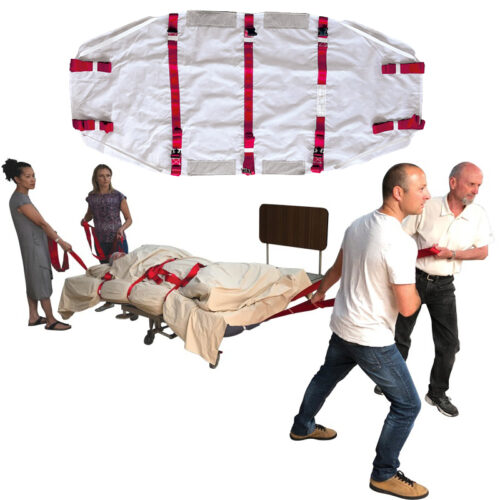
ResQsheet – Bariatric Size
For people who cannot quickly evacuate in an emergency.
AUD $277.00 + 10% US Tariff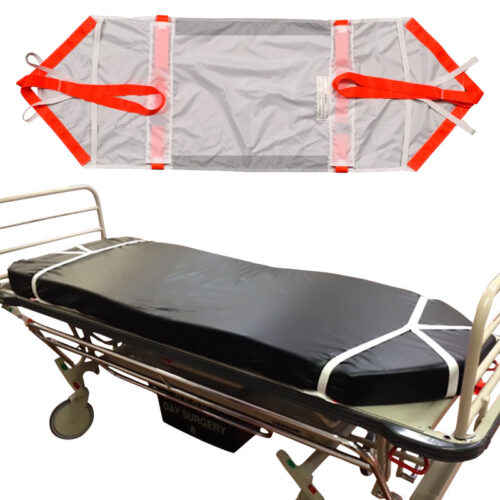

ResQsheet for Trolley Beds
For people who cannot quickly evacuate in an emergency.
AUD $136.00 + 10% US Tariff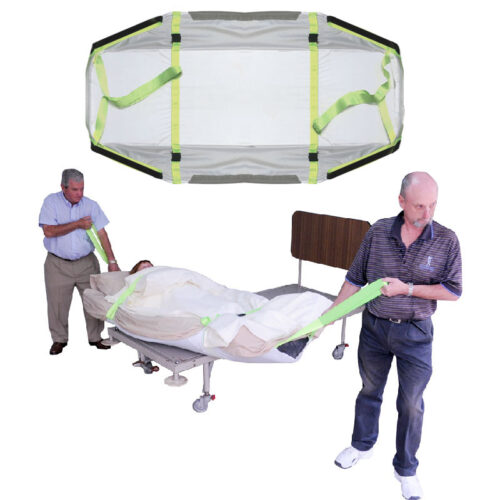

ResQsheet for Vinyl & Carpet – Deep & Airflow
For standard single, king single size and airflow mattresses.
AUD $220.00 + 10% US Tariff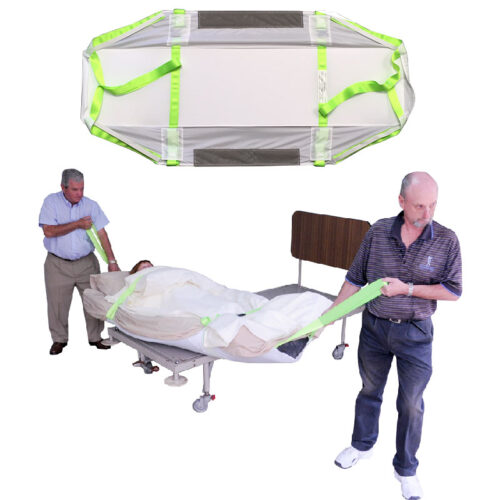

ResQsheet for Vinyl & Carpet
For people who cannot quickly evacuate in an emergency.
AUD $210.00 + 10% US Tariff